Home Studio vs Professional Studio: When Does It Make Sense to Upgrade?

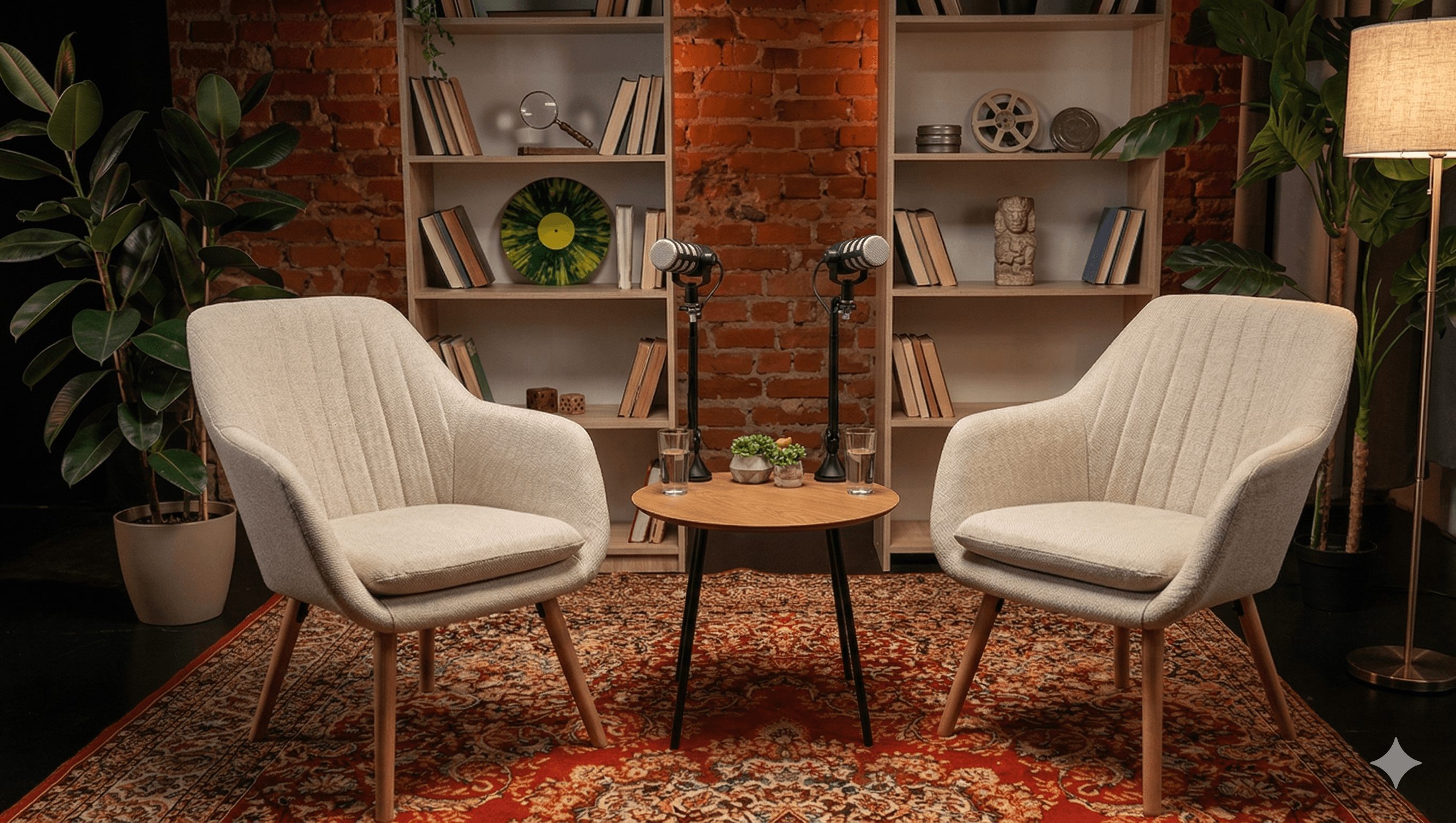
Table of Contents
Browse by topic
Get studio insights in your inbox
Practical tips on bookings, pricing, and studio growth. No spam.
"Professional studios aren’t about luxury — they’re about reliability and providing a consistent environment for growth."
Home studios are powerful. But they’re not always enough.
The question isn’t can you record at home — it’s should you.
This guide helps creators decide when upgrading to a professional studio makes sense.
When Home Studios Work Well
- Solo podcasts
- Informal content
- Early-stage creators
- Budget constraints
Home Setup Convenience
Home studios offer flexibility and control for early-stage content creation.
Where Home Studios Fall Short
As content grows, limitations show. Noise control, consistent quality, and guest management become significantly harder at home.
Signs You’ve Outgrown Your Home Studio
- You spend more time fixing audio than recording
- Guests struggle with setup
- Quality varies episode to episode
- Brands ask about production quality
- Editing costs increase
Benefits of Professional Studios
- Consistency and Speed
- Expert Support
- Better guest experience
- Stronger brand image
"Professional studios aren’t about luxury — they’re about reliability."
Hybrid Approach (Most Common)
Many creators find a balance between both worlds.
- Record solo at home
- Use studios for interviews or video
- Book studios monthly or quarterly
This balances cost and quality effectively.
Final Thoughts
Upgrading isn’t about ego. It’s about what your content demands.
Professional studios exist to remove friction — not creativity.
Ready to book a studio?
Find verified spaces for your next project.

Run Your Studio on
Autopilot
Manage bookings, track leads, and grow your studio — all in one place.
Try Studio Software